

Understanding the psychology of risk in gambling decisions
The Nature of Risk in Gambling
Gambling inherently involves risk, where participants often weigh the potential rewards against the likelihood of loss. Understanding this balance is crucial for both casual players and seasoned gamblers. Individuals may be drawn to the thrill of risk, seeking adrenaline as they place bets, which can create a powerful psychological experience. This interplay between excitement and anxiety shapes the way decisions are made at the gaming table; for example, many players find that the fastest payout online casino can either heighten their thrill-seeking tendencies or contribute to their caution.
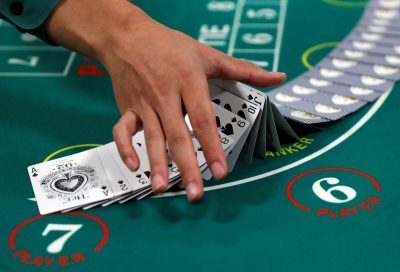
Moreover, the perception of risk varies widely among individuals. Some may approach gambling with caution, while others may embrace high-stakes play. This divergence can be influenced by personal experiences, knowledge of the games, and even emotional states, which can cloud judgment. Recognizing these factors is essential for understanding how decisions are formulated in gambling contexts.
Cognitive Biases and Decision Making
Cognitive biases play a significant role in how gamblers make decisions. For instance, the illusion of control can lead players to believe they can influence random outcomes, which may prompt riskier bets. Such biases can lead to overconfidence, making players disregard statistical realities. Understanding these cognitive traps can help individuals approach gambling with a more analytical mindset.
Additionally, the confirmation bias can cause gamblers to focus on past wins while neglecting losses. This selective memory can skew perceptions of risk and reward, leading to repeated gambling behavior despite adverse outcomes. By addressing these biases, players can foster a healthier relationship with gambling and improve their decision-making processes.
The Role of Emotions in Gambling Choices
Emotions significantly impact gambling decisions. Feelings of excitement can lead to increased risk-taking, while fear of loss may result in more conservative bets. This emotional rollercoaster can affect a player’s ability to make rational choices. For many, the highs of winning can be intoxicating, reinforcing the desire to gamble even more.
Conversely, negative emotions such as stress or frustration can lead to impulsive decisions, often resulting in greater losses. Recognizing the emotional triggers that influence gambling behavior is vital for maintaining control. Strategies such as setting limits and taking breaks can help mitigate the emotional highs and lows associated with gambling.
Strategies for Managing Risk in Gambling
Effective risk management strategies are essential for anyone involved in gambling. These strategies can help mitigate the psychological impact of losses and enhance overall enjoyment. One approach is to establish clear budgets and stick to them, ensuring that gambling remains a form of entertainment rather than a source of stress.
Incorporating self-awareness practices can further assist gamblers in recognizing when emotions may be clouding their judgment. This may involve taking regular breaks or reassessing gambling habits when faced with a losing streak. By integrating such strategies, individuals can foster a more balanced approach to risk in gambling.
Discovering an Optimal Gaming Experience
Understanding the psychology of risk in gambling is just the beginning of a fulfilling gaming journey. Platforms like Fast Withdrawal Casino Canada offer resources to enhance players’ experiences. With a focus on rapid payouts and user-friendly interfaces, these platforms allow players to enjoy their gaming sessions without undue stress.
Whether you are a seasoned gambler or new to the world of online casinos, utilizing trusted resources can provide insights into making informed decisions. This approach not only enhances the overall gaming experience but also fosters a safer and more enjoyable environment for everyone involved.